
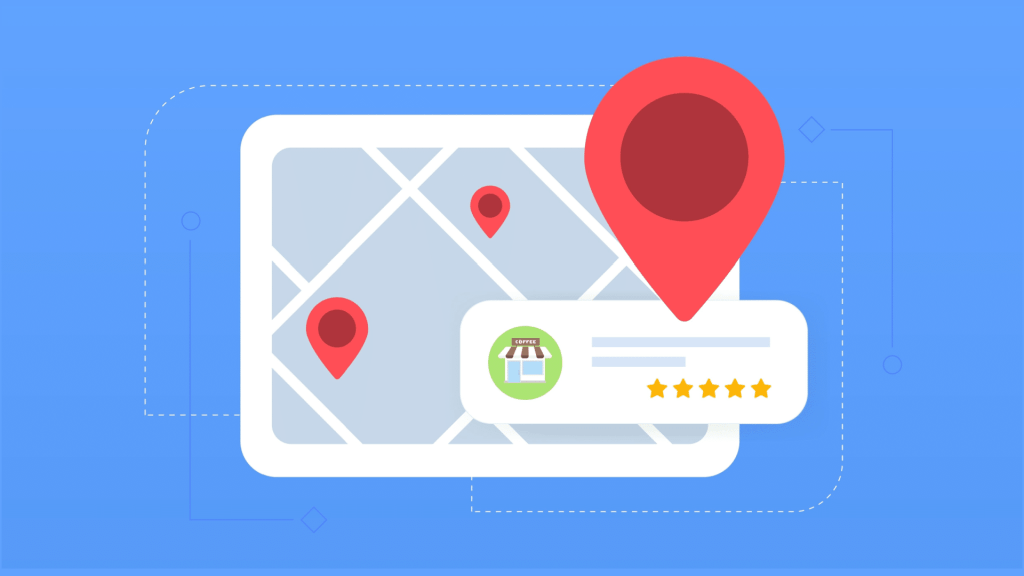
If you run a local business in Australia, Google Maps is no longer “part of” your digital presence — it is your digital presence.
When someone searches “jeweller near me”, “electrician Brisbane” or “best café New Farm”, they’re not scrolling ten blue links anymore. They’re looking at a map, a short list of businesses, a few reviews and making a decision within seconds.
By 2026, this behaviour isn’t slowing down. It’s becoming the default.
And yet, most small businesses still treat Google Maps as something they “set up once” and forget about.
That’s the problem.
Why Google Maps Is Now the Front Door for Local Businesses
Search behaviour has changed, especially for local services.
People search closer to the moment of action. They’re on their phone. They’re nearby. They want to visit, call or enquire — not research for days.
Google knows this, which is why Maps results dominate local searches. In many cases, organic website results don’t even appear above the fold anymore.
If your business isn’t showing in Maps:
- you’re invisible to high-intent customers
- you’re relying purely on word of mouth
- and competitors are quietly catching the overflow
This doesn’t mean your business is doing badly. It just means Google isn’t confident enough yet to put you in front of searchers.
What Google Actually Cares About for Local Rankings
Despite how complex SEO can sound, local rankings still come down to a few core principles.
Proximity
You can’t control where your business is located, but you can control how clearly Google understands it. Conflicting addresses, outdated listings or inconsistent location signals will hold you back.
Relevance
Google needs to understand exactly what you do. This goes beyond ticking a category box. Services, content, descriptions and on-site signals all reinforce relevance.
Trust and Prominence
This is where most businesses fall short. Google looks for evidence that your business is legitimate, active and recognised. Reviews, engagement, consistency and brand presence all feed into this.
Local SEO isn’t about tricks — it’s about clarity and confidence.
Why Most Businesses Think They’ve “Done SEO”
Many businesses believe they’ve covered local SEO because:
- they claimed their Google Business Profile
- added a few photos
- and asked for reviews once or twice
That’s a start, not a strategy.
Google Maps rankings are not static. Competitors improve. Signals decay. Businesses that don’t maintain or reinforce their presence slowly slide down the pack — often without realising it.
By the time enquiries drop, the cause is already months old.
The Hidden Signals That Actually Move You Up the Map Pack
Beyond the basics, there are quieter signals that separate businesses stuck at the bottom from those consistently appearing in the top three.
These include:
- how often your profile is updated
- whether your services and content match real search behaviour
- consistency between your website, listings and social profiles
- evidence of real-world activity and engagement
None of this requires a massive budget. It requires focus and follow-through.
Small, deliberate improvements in these areas tend to compound — especially for businesses in competitive suburbs or industries.
What a Realistic Local SEO Timeline Looks Like
One of the biggest mistakes agencies make is promising instant results.
Local SEO doesn’t work like that.
Some fixes can improve visibility relatively quickly — especially technical or listing issues. Others take time to settle as Google reassesses confidence and trust.
The important thing is this: local SEO builds on itself. Unlike ads, the value doesn’t disappear when you stop paying. Improvements stack, reviews accumulate and visibility strengthens.
That’s why precision matters more than speed.
How Small Businesses Can Compete Without Big Budgets
You don’t need to outspend larger competitors to win locally.
You need to:
- be clearer
- be more consistent
- and focus on what actually influences local decisions
Most agencies sell scale. Most small businesses need accuracy.
This is where a lean, hands-on approach consistently outperforms expensive retainers. Fix the fundamentals, reinforce trust and make it easy for Google — and customers — to understand who you are.
The Role of Social Media (Without Turning It Into “Social Media Marketing”)
For local businesses, social media isn’t about going viral.
It’s about trust.
When someone hears about your business through word of mouth, they almost always look you up. Google. Website. Social profiles. All of it blends into a single impression.
If one part looks neglected or inconsistent, confidence drops. If everything lines up cleanly, confidence rises.
That’s why a basic, well-maintained social presence quietly supports local SEO — not by driving traffic, but by reinforcing legitimacy.
The Bottom Line
Local SEO in 2026 isn’t about chasing algorithms.
It’s about showing up properly when someone nearby is ready to act.
For Australian small businesses, Google Maps visibility is one of the highest-value digital levers available — and one of the most commonly under-maintained.
Small changes here don’t just improve rankings. They improve discovery, trust and conversion — the things that actually grow a business.
Want to Know Where You Stand?
If you’re unsure how your business is performing in local search, Carter Media offers short, practical local audits — no fluff, no obligation, just clarity.
📍 Brisbane-based
🌏 AU-focused, national & global projects

 Carter Media
Leave a comment